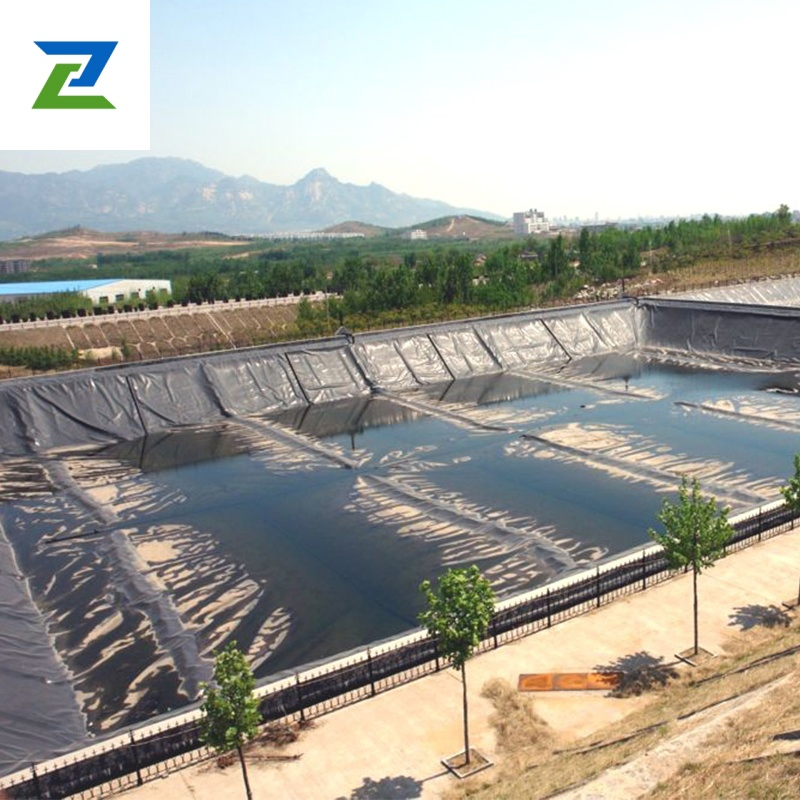
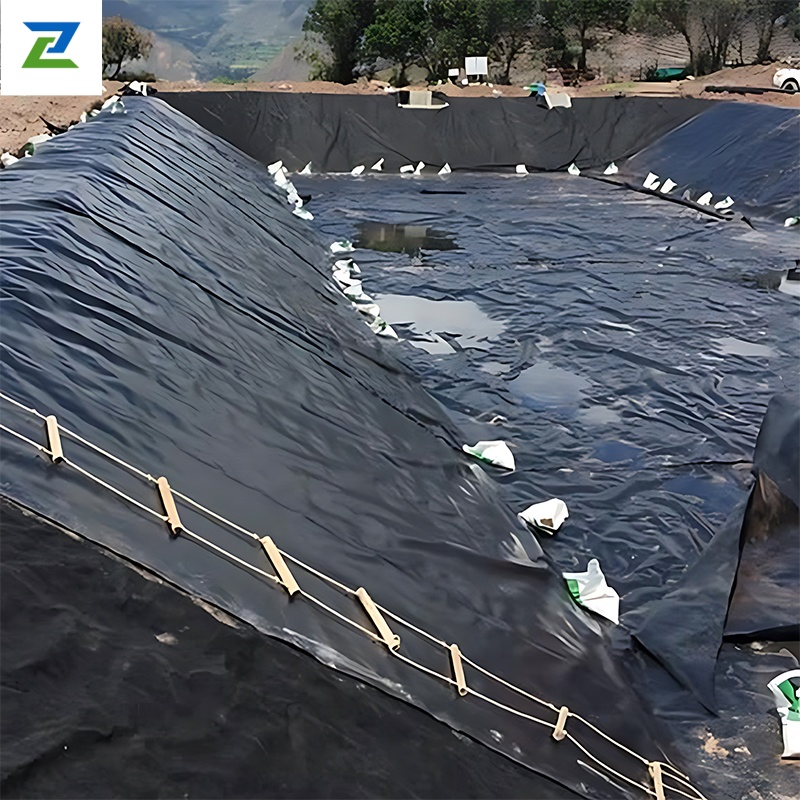
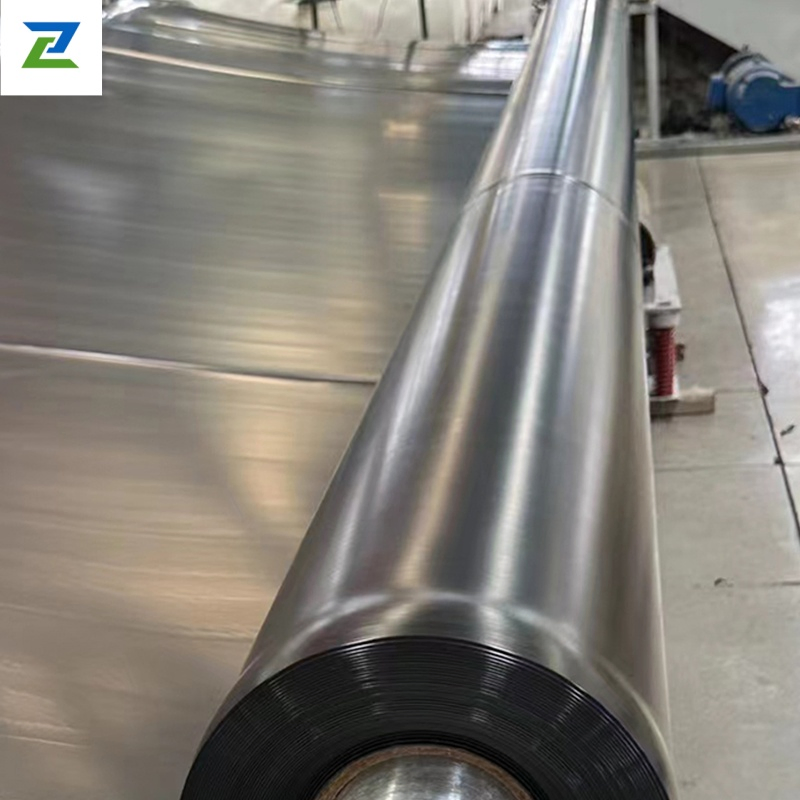
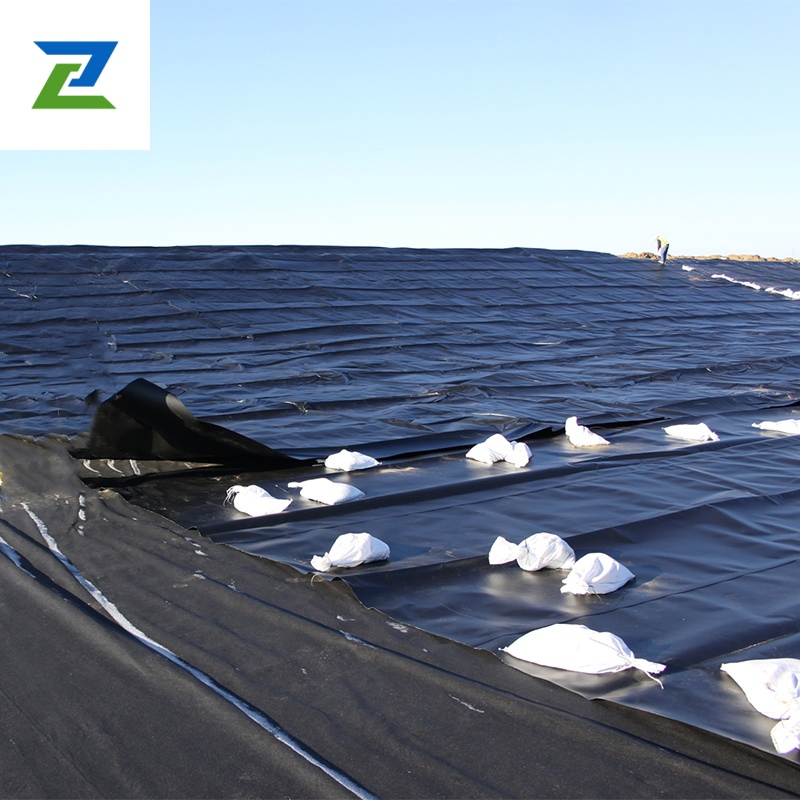
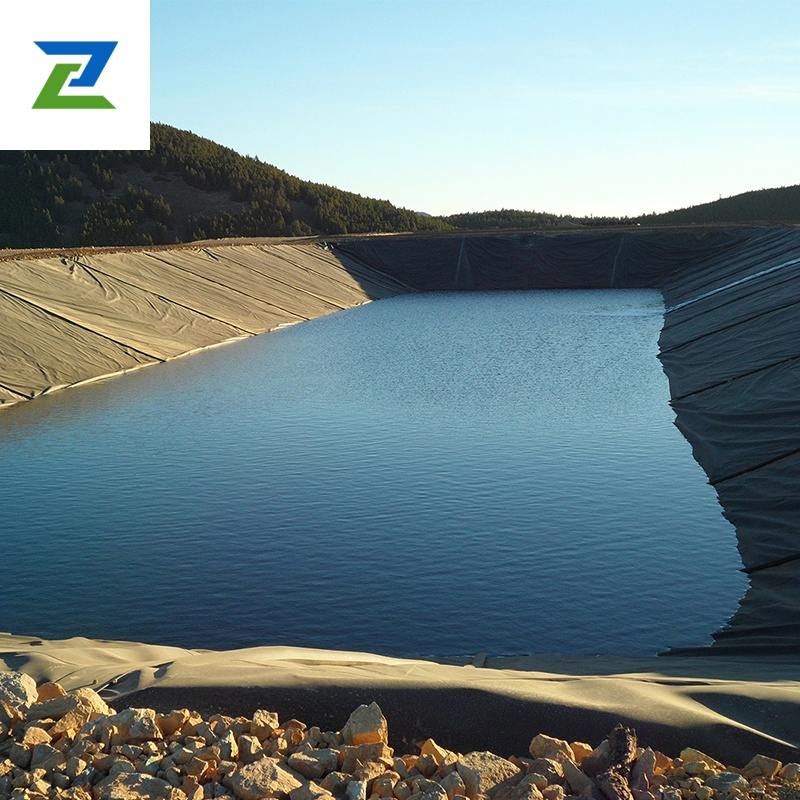
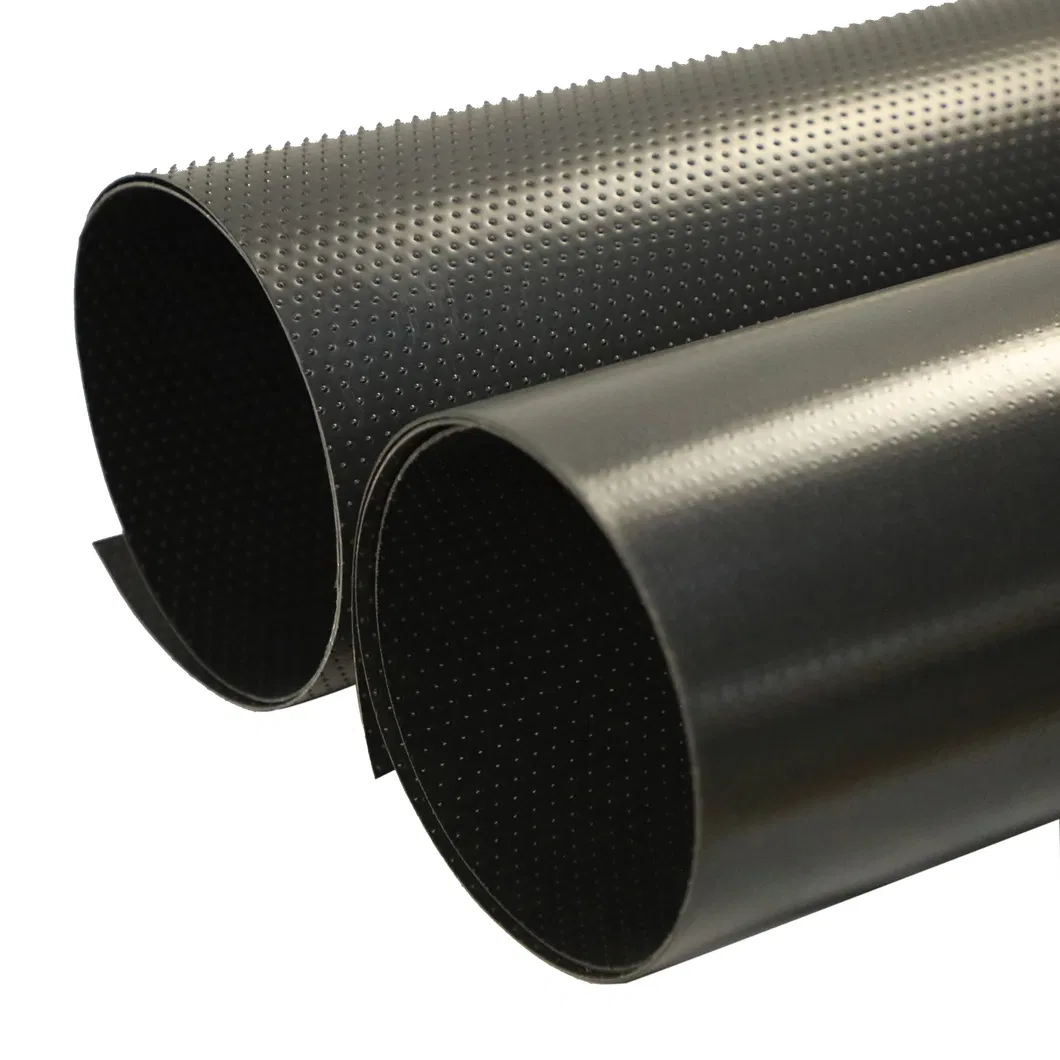
Anti-UV Resistance ASTM 1mm 1.5mm 2mm HDPE LDPE LLDPE PVA Geomembrane for Coal Mining Landfill Artificial Lake Fish Farm Shrimp Dam Liner Factory Price

Still deciding? Get samples of $ !
Order Sample

Product Description

Basic Information
Model NO.
geomembrane
Certification
CE, ISO
Material
HDPE, LDPE, LLDPE, PVC, PE
Surface
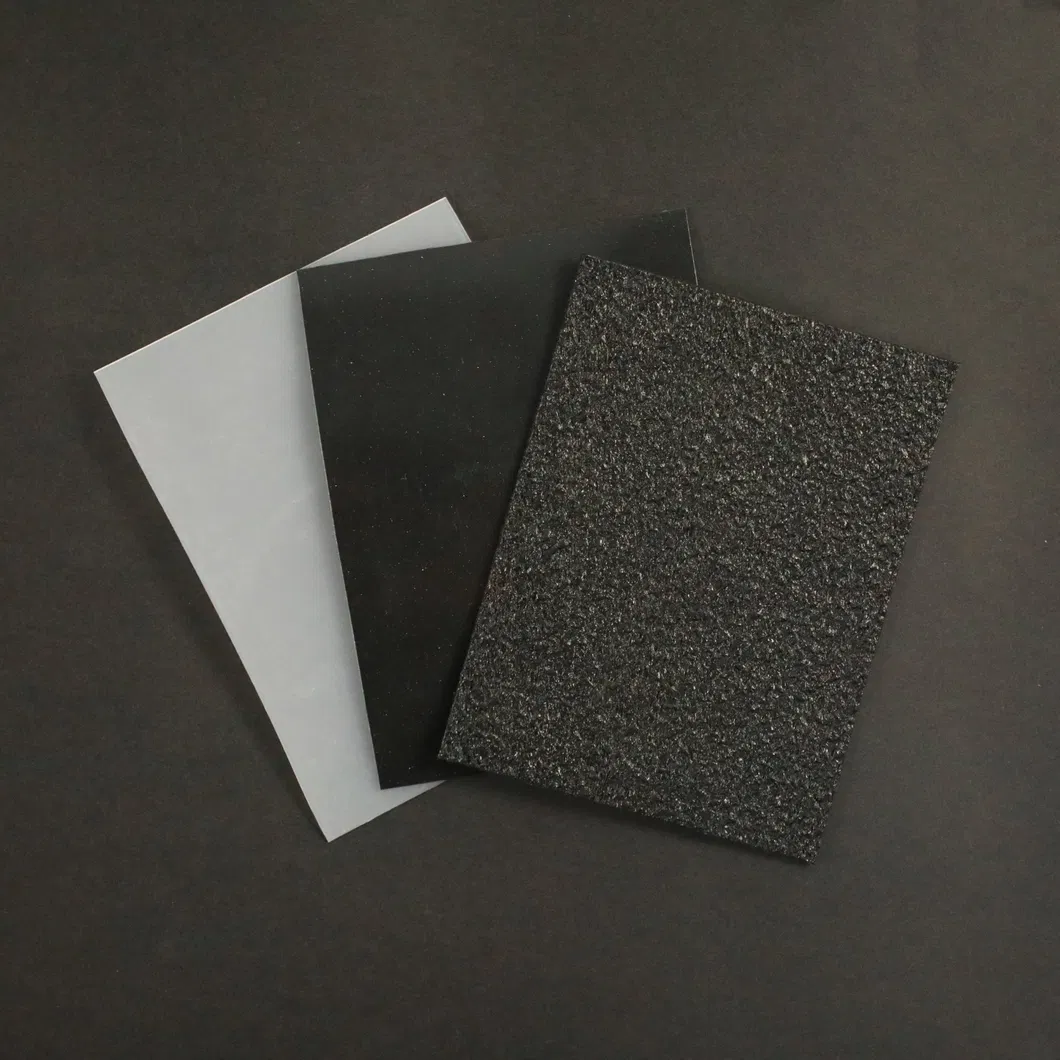
Smooth or Textured
Color
Black, White, Blue, Green
Standard
ASTM GRI-GM13
Thickness
0.1-2.5mm
Production
50,000m²/Day
Product Description

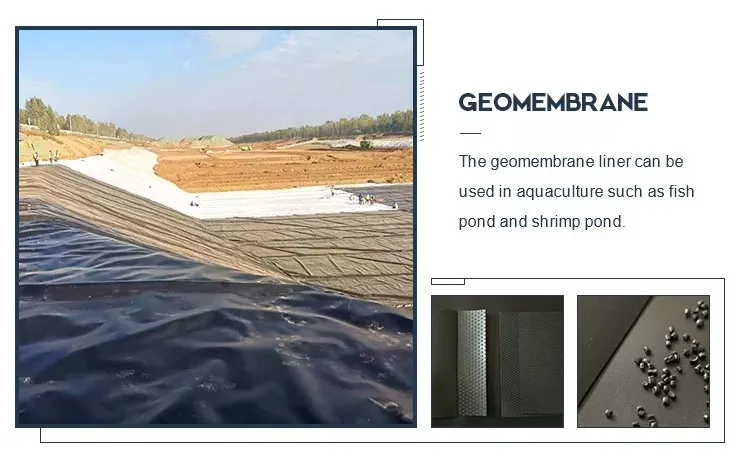
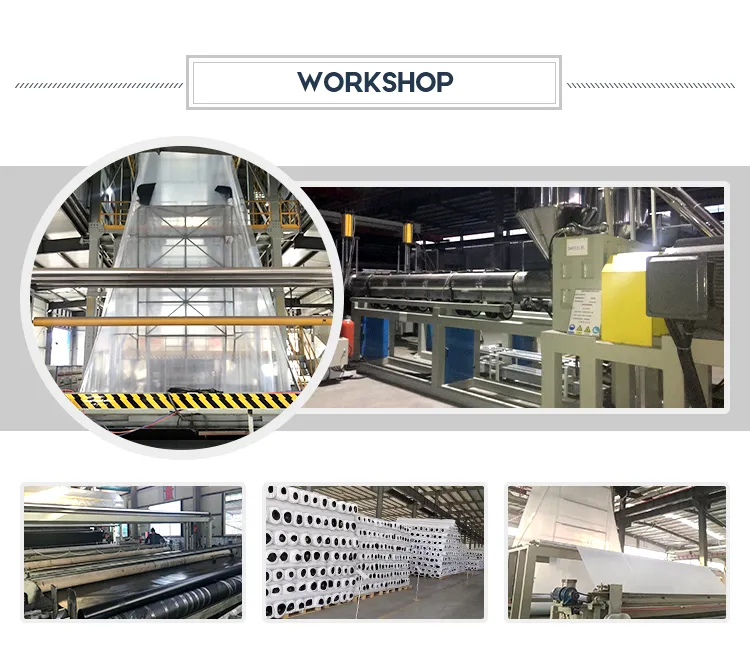
Anti-UV Resistance HDPE LDPE LLDPE PVA Geomembrane is produced from high-density polyethylene resin by a film-blowing process, incorporating carbon black, antioxidants, anti-aging, and UV-resistance components. It is the most widely used solution for solid waste containment, mining, and water containment applications.
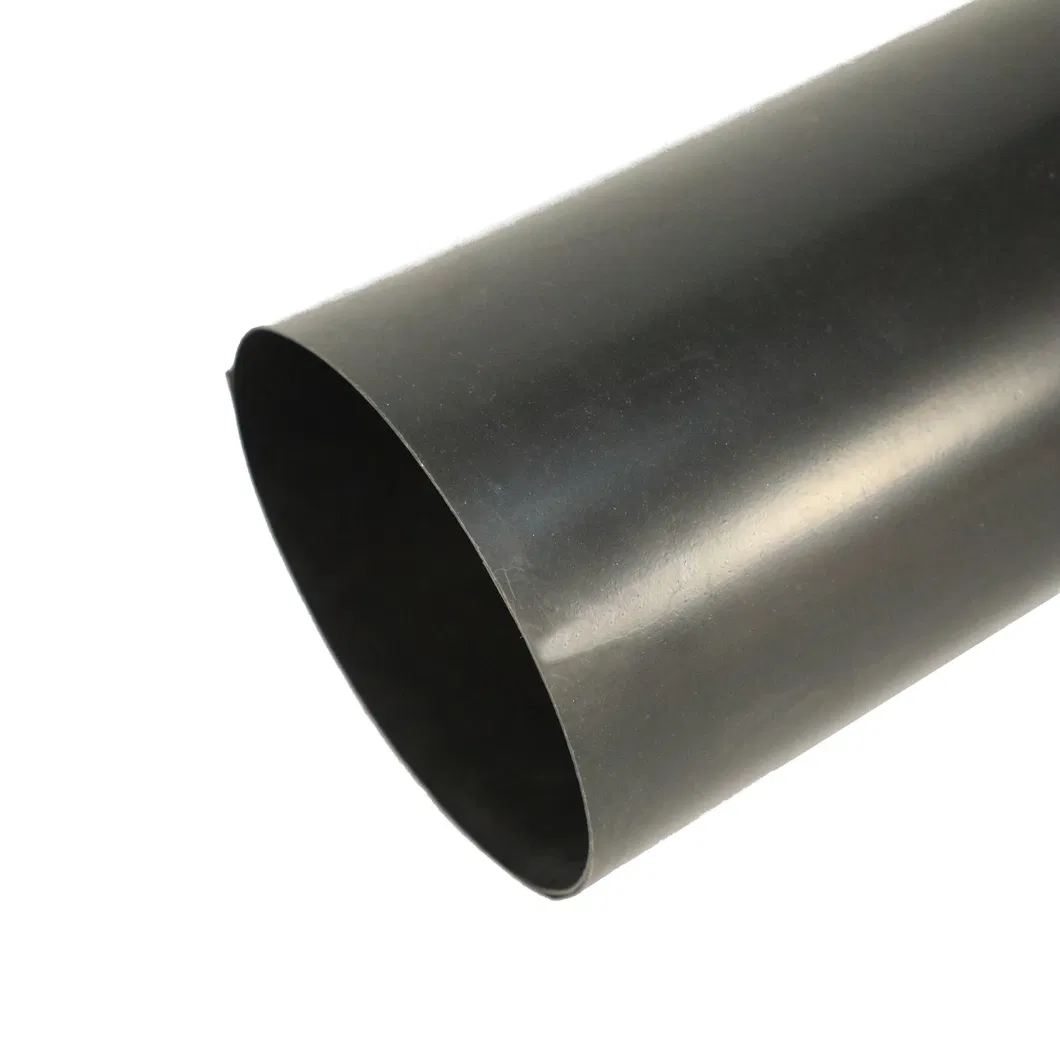
  • Main Thickness: 0.2mm to 2.5mm
  • Width Options: 4m, 5m, 5.8m, 6.0m, 7m, 8m, 10m
  • Roll Length: 50m to 200m
  • Standard: ASTM Standard
  • Quality: ISO, TRI, SGS Certified
  • Features: Puncture, Impact, and Tear Resistance
Geomembrane Display 1 Geomembrane Display 2 Geomembrane Display 3
Technical Parameters & Features

Main Characteristics:

  • Service Temperature: -70°C to 110°C
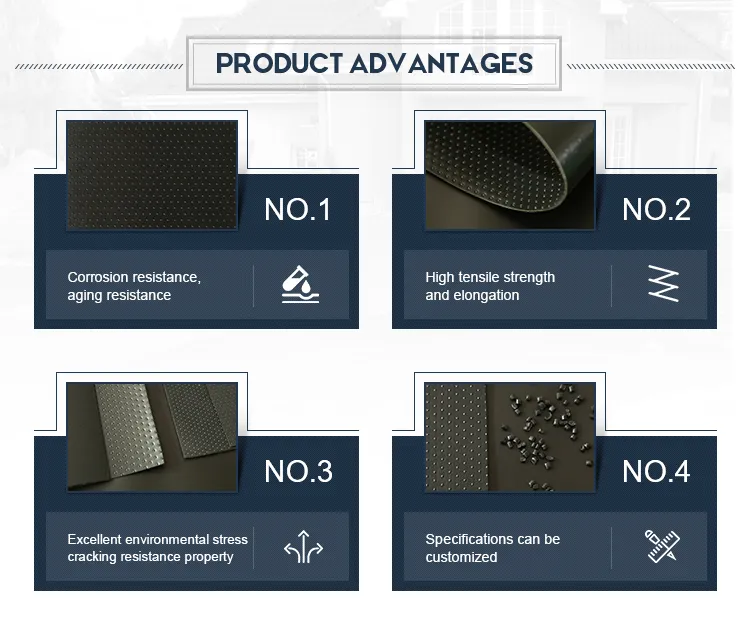
  • High tensile strength and elongation
  • Excellent environmental stress cracking resistance
  • Corrosion and aging resistance
  • Superior UV resistance and anti-seepage isolation
Technical Features
Properties Test Method 0.5mm 1.0mm 1.5mm 2.0mm 2.5mm
Density (≥ g/cc) ASTM D1505 0.940 0.940 0.940 0.940 0.940
Yield Strength (kN/m) ASTM D6693 8 15 22 29 37
Break Strength (kN/m) ASTM D6693 14 27 40 53 67
Tear Resistance (N) ASTM D1004 64 125 187 249 311
Puncture Resistance (N) ASTM D4833 160 320 480 640 800
Carbon Black Content ASTM D1603 2.0-3.0% 2.0-3.0% 2.0-3.0% 2.0-3.0% 2.0-3.0%
Product Application
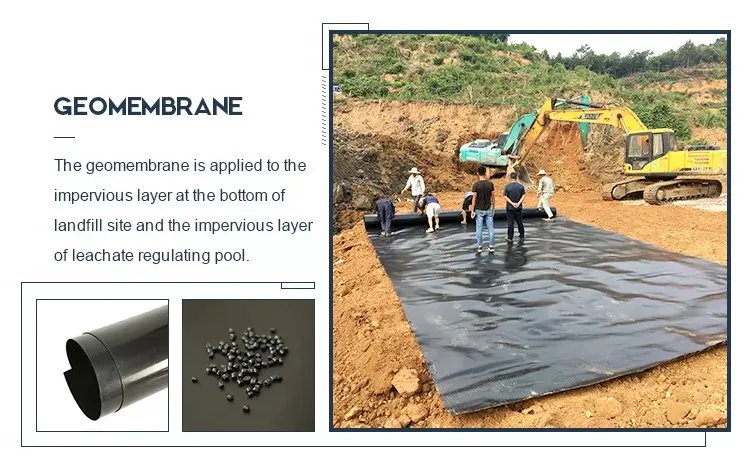
Landfills & Sewage Treatment
Rivers, Lakes & Dams
Subways & Roof Gardens
Artificial Lakes & Golf Courses
Petrochemical Tanks
Mining & Tailings
Highway Foundations
Aquaculture Pond Liners
Application 1 Application 2
Construction Method

1. Laying Order: Slopes should be laid from top to bottom. Avoid pulling the membrane too tight.
2. Joint Management: Adjacent longitudinal joints should be staggered by more than 1m.
3. Placement: Joints should be located on flat planes, at least 1.5m away from dam or bending feet.
4. Base Preparation: Use small diameter sand or clay to level the base before laying the geomembrane.
5. Protection: A transitional layer of approximately 10cm of sand or clay should be laid over the membrane.
Construction Illustration
Frequently Asked Questions
What are geosynthetics?
Geosynthetics are erosion control fabrics used in civil engineering to stabilize and reinforce slopes and soil near roads, railways, dams, and reservoirs. They minimize construction time and resource requirements.
What types of geosynthetics are available?
Common types include non-woven geotextiles, geogrids, geocells, GCL (Geosynthetic Clay Liners), geomembranes, geonets, and geocomposites.
What are the primary uses for geomembranes?
They are primarily used for lagooning, water treatment, ornamental ponds, aquaculture, desalination, and as floating cover solutions for liquid waste.
How are they used in environmental protection?
Geomembranes provide critical protection in tailing ponds, leach mining, landfill liners, and landfill capping to prevent corrosion and vertical seepage.
Are they suitable for civil works and building?
Yes, they are used for soil reinforcement, erosion control, tunnel lining, soundproofing in buildings, and waterproofing for parking lots and roofing.
What temperature range can these liners handle?
Our HDPE geomembranes are designed to perform within a service temperature range of -70°C to 110°C, making them suitable for extreme climates.

Related Products