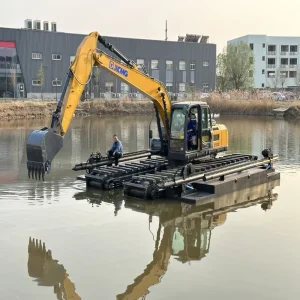
Mintrix Excavator
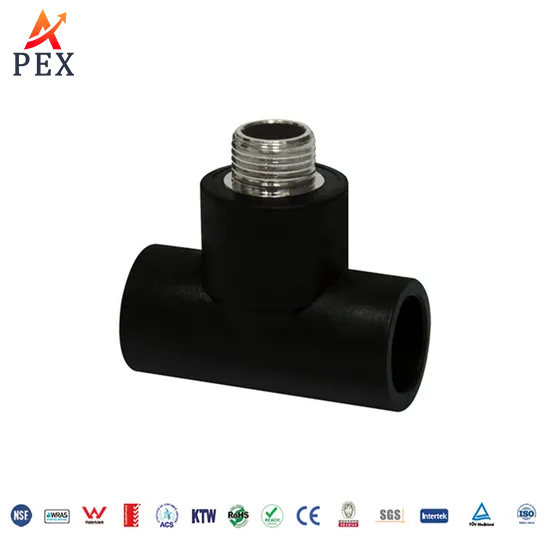
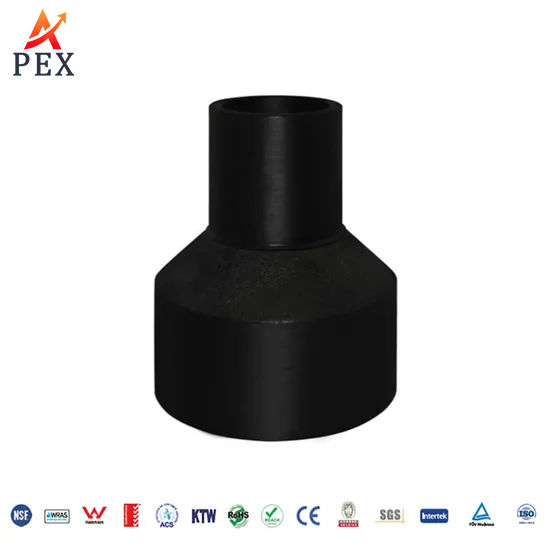
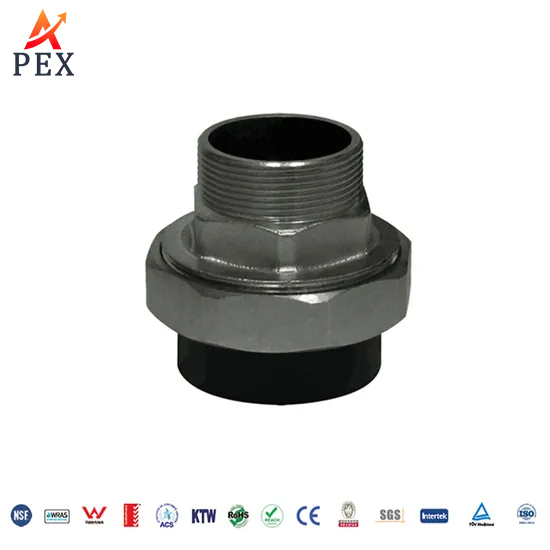
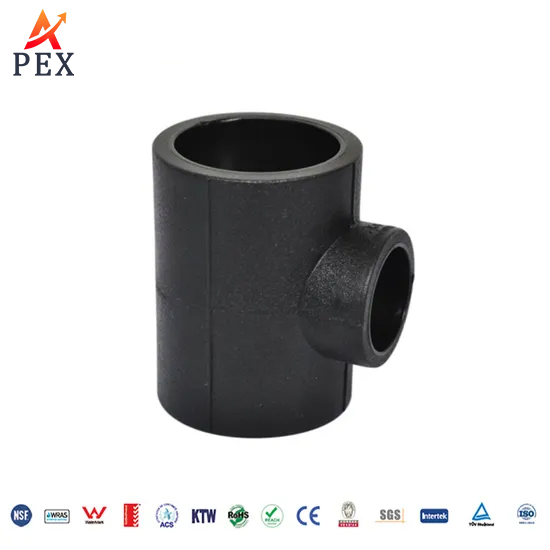
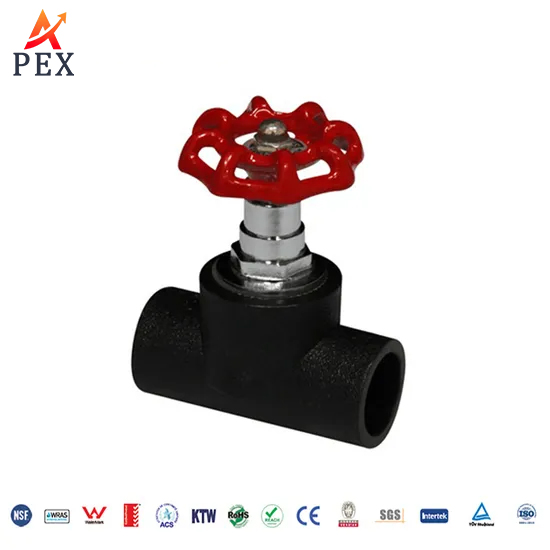
1 / 5
| Material | High-Density Polyethylene (PE) |
| Color | Black (with blue/yellow stripes available) |
| Size Range | 20mm to 1200mm |
| Standard | ISO 4427 / EN 12201 |
High-Density Polyethylene (HDPE) pipe is a flexible, high-strength plastic pressure piping system widely used for the conveyance of fluids and gases. Manufactured from petroleum-based thermoplastic polymer, it is known for its high strength-to-density ratio. HDPE pipe is the material of choice for demanding applications, effectively replacing traditional materials like ductile iron, concrete, and PVC.
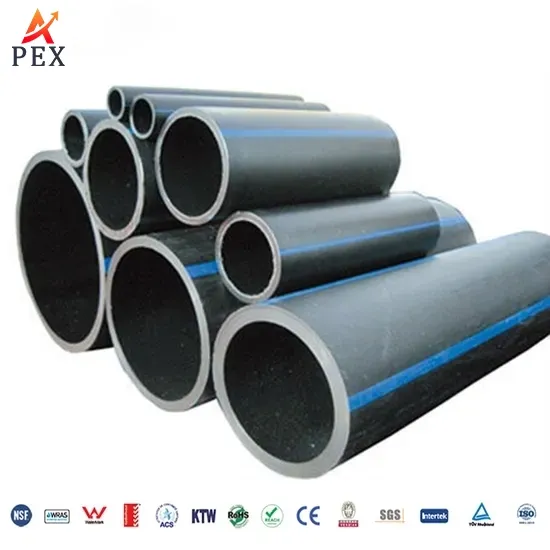
Modern HDPE pipes are predominantly made from PE100 and PE100-RC materials. PE100 denotes a minimum required strength (MRS) of 10 MPa, offering higher pressure ratings. The "RC" (Resistant to Crack) classification provides exceptional resistance to slow and rapid crack propagation, making it incredibly durable against point loads and stress concentrations.
The heat fusion joining method creates a continuous, homogeneous system with zero joints that can leak. This is a monumental improvement over traditional piping systems that rely on gaskets or mechanical couplings.
Immune to electrochemical corrosion and resistant to microbial-induced corrosion. Properly installed systems have a proven service life exceeding 50-100 years.
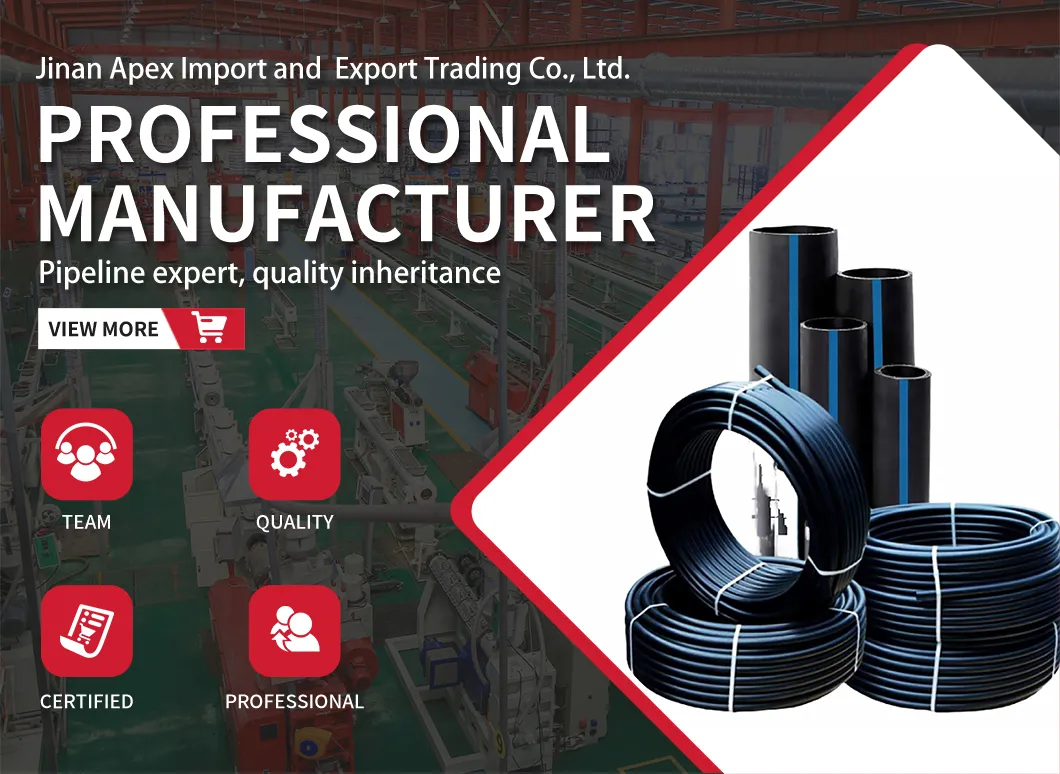
Exceptional flexibility allows it to be coiled and bent on-site. It withstands ground movement and seismic activity by deforming without cracking.
The smooth inner surface reduces friction, enabling higher flow with less energy. This lowers pumping costs and prevents scaling and biofilm accumulation.
Material ductility allows temporary expansion if water freezes, reducing burst risks. HDPE is also 100% recyclable and requires no chemical solvents for joining.
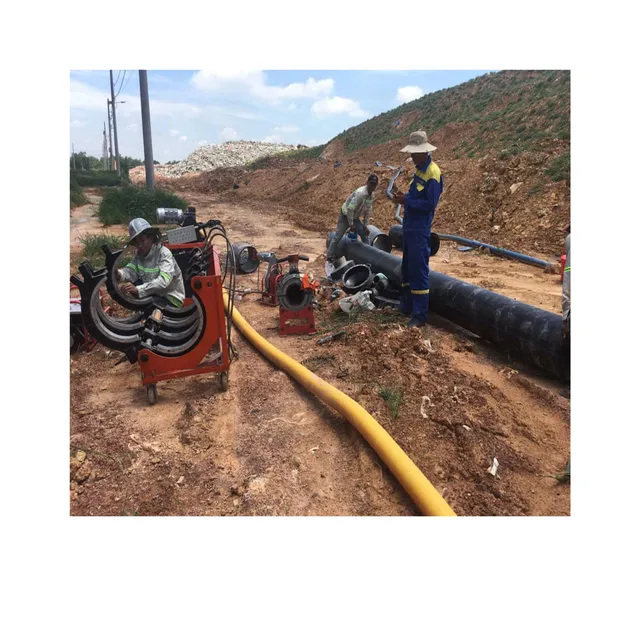
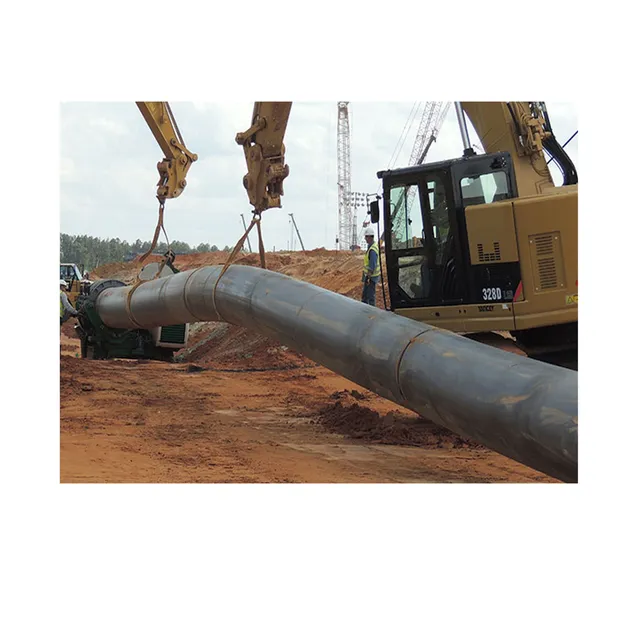
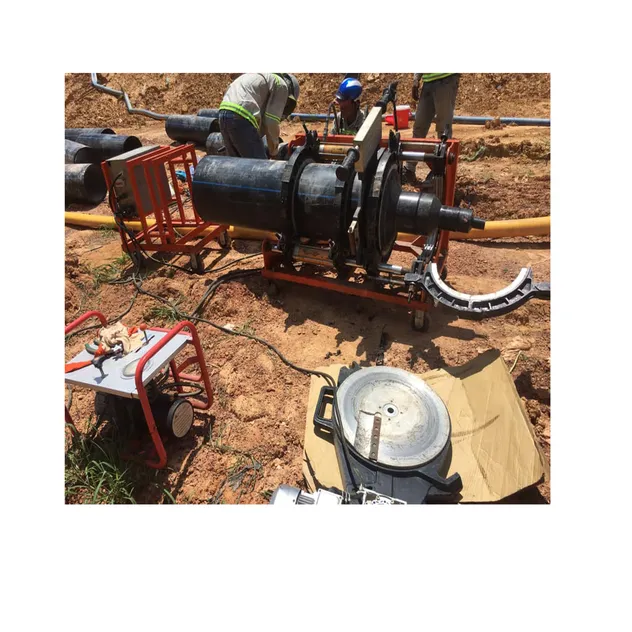
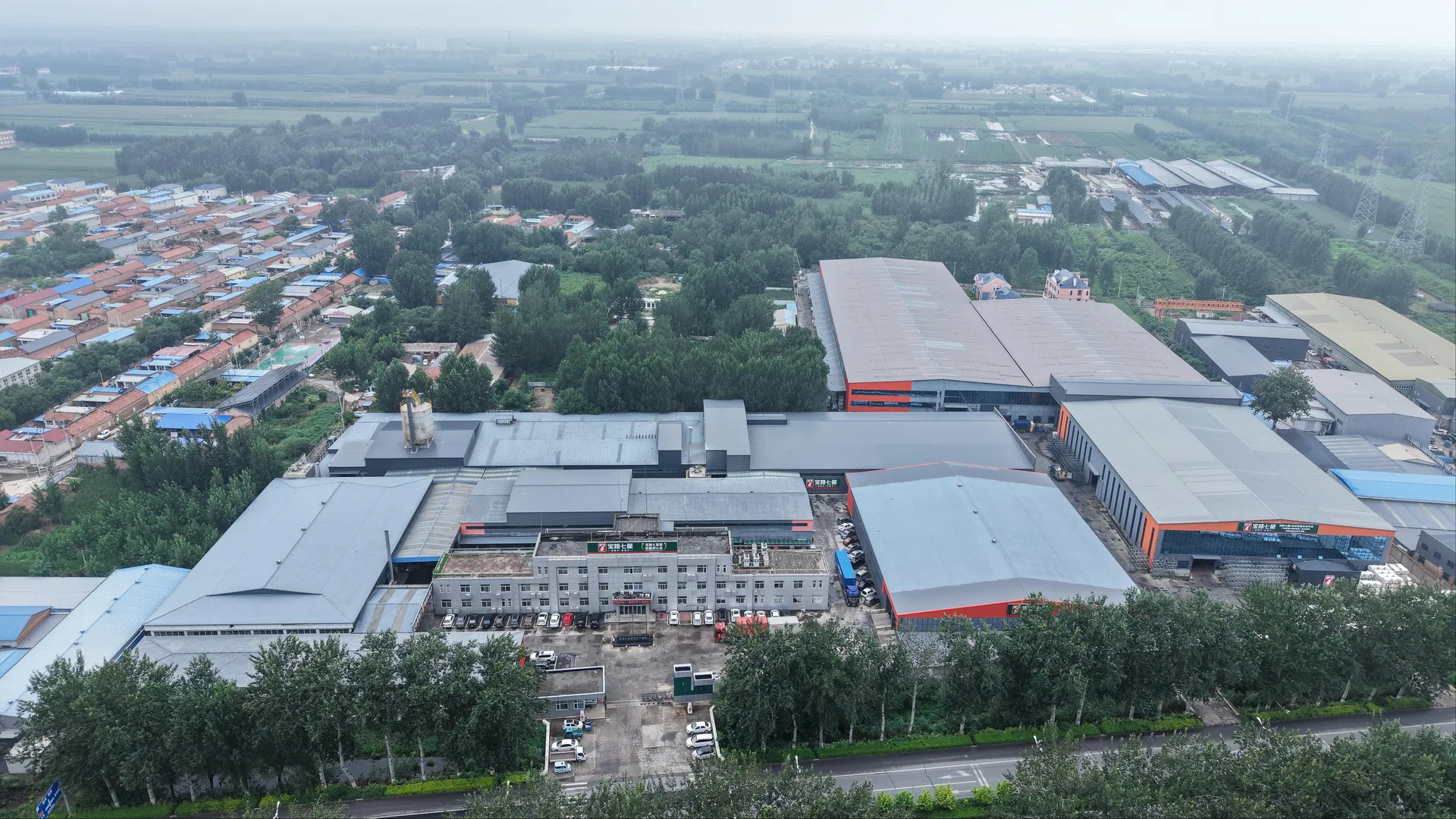
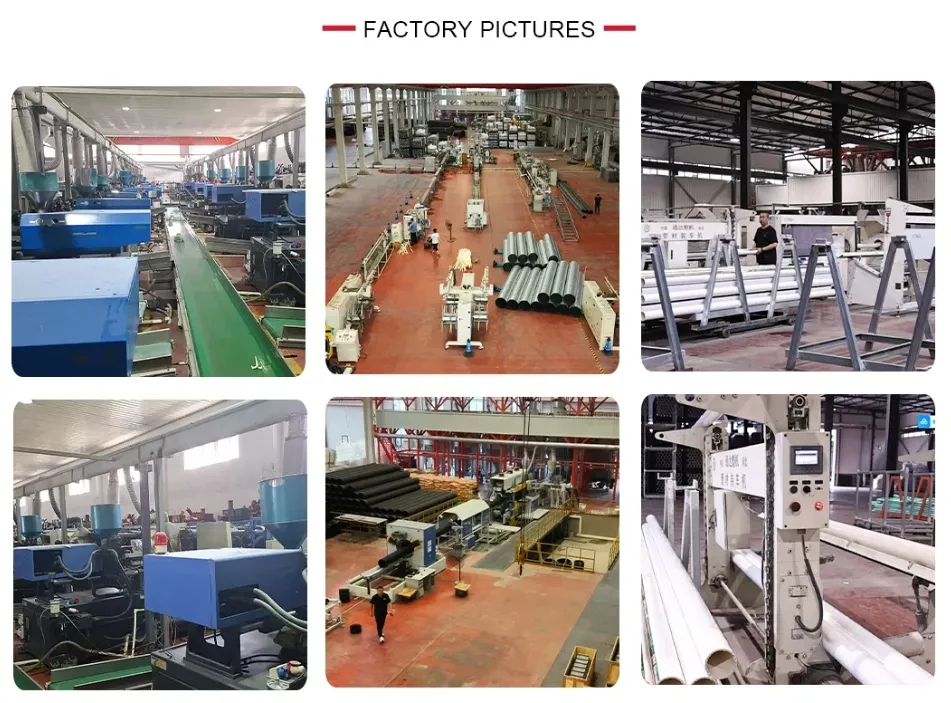
Production lines are outfitted with advanced high-speed pipe extrusion machines controlled by PLC systems. High-precision feed systems and cutting-edge test facilities ensure the production of high-quality pipes efficiently.