⚙️ Product Description
Municipal Solid Waste Sorting Machine
This complete municipal solid waste (MSW) utilization solution adheres to the principles of reduction, harmlessness, recycling and energy recovery. Through automatic sorting, MSW is classified into recyclable metals and high-calorific-value (up to 5,000 kcal) fuels applicable to industrial boilers, waste incineration and gasification power stations.
Our equipment-produced RDF boasts high density, stable combustion and dioxin-free emission, ensuring safe and continuous operation for power stations.
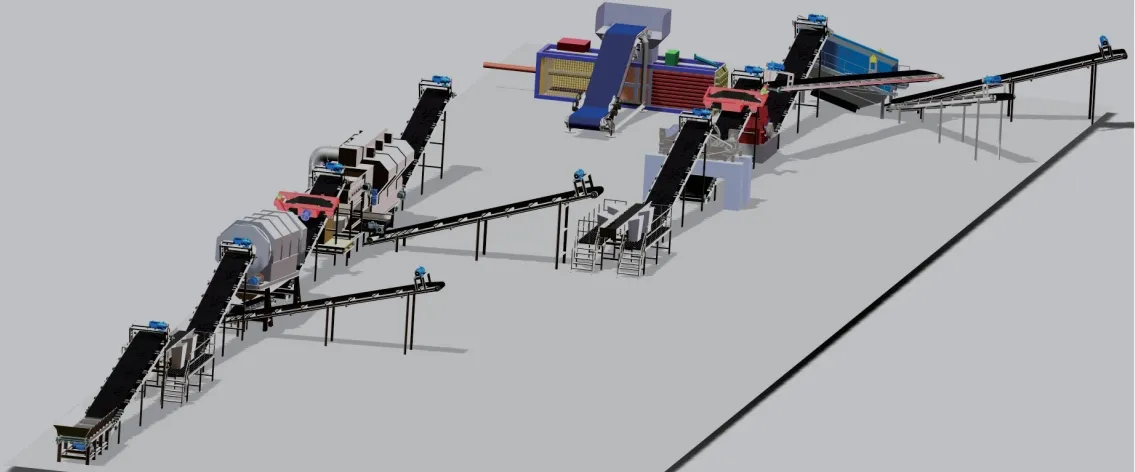
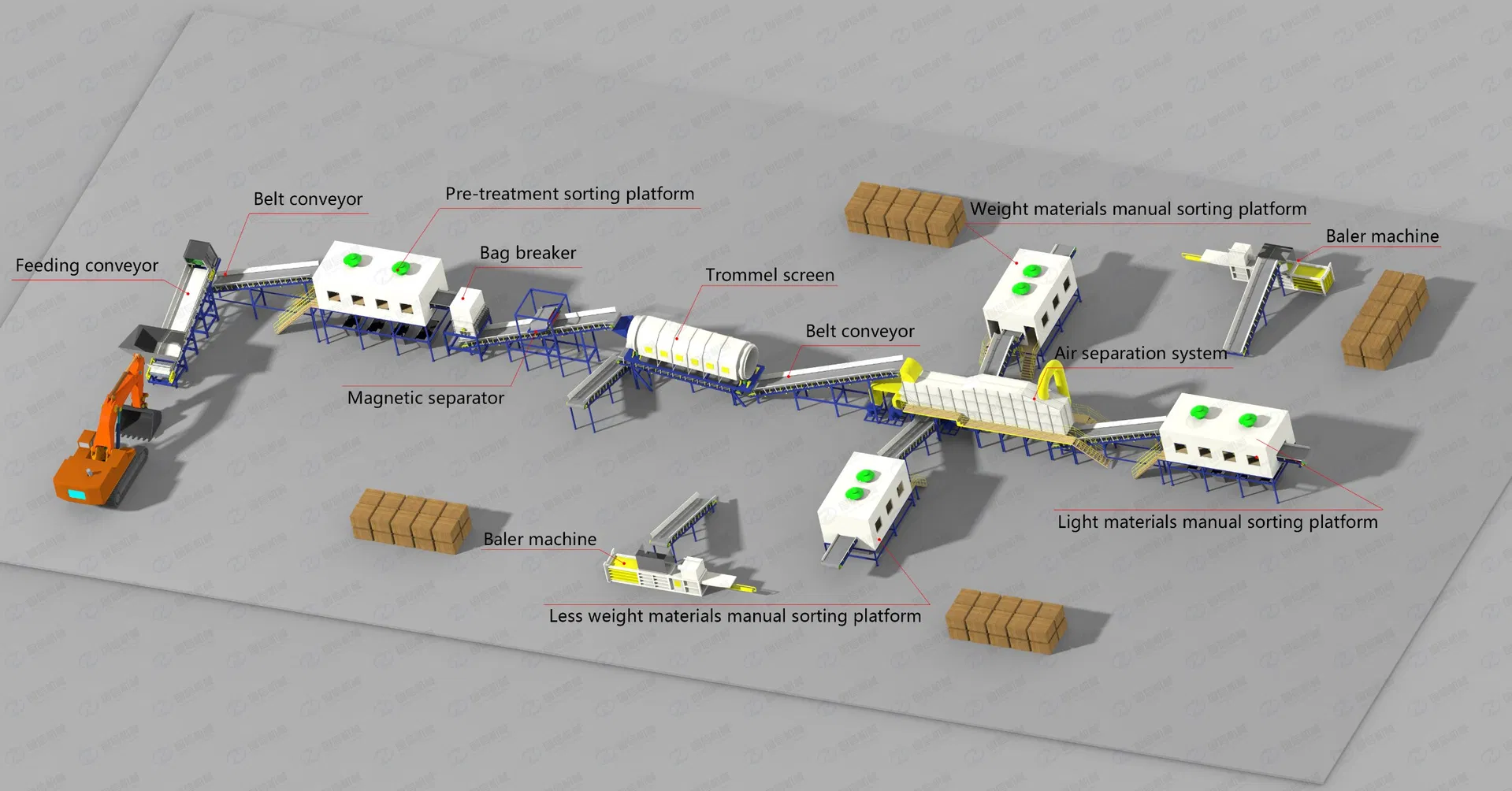
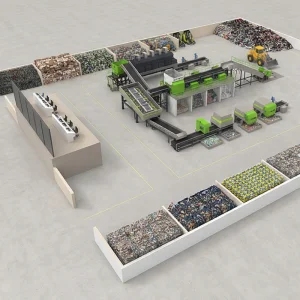
Main Components of the Sorting Line
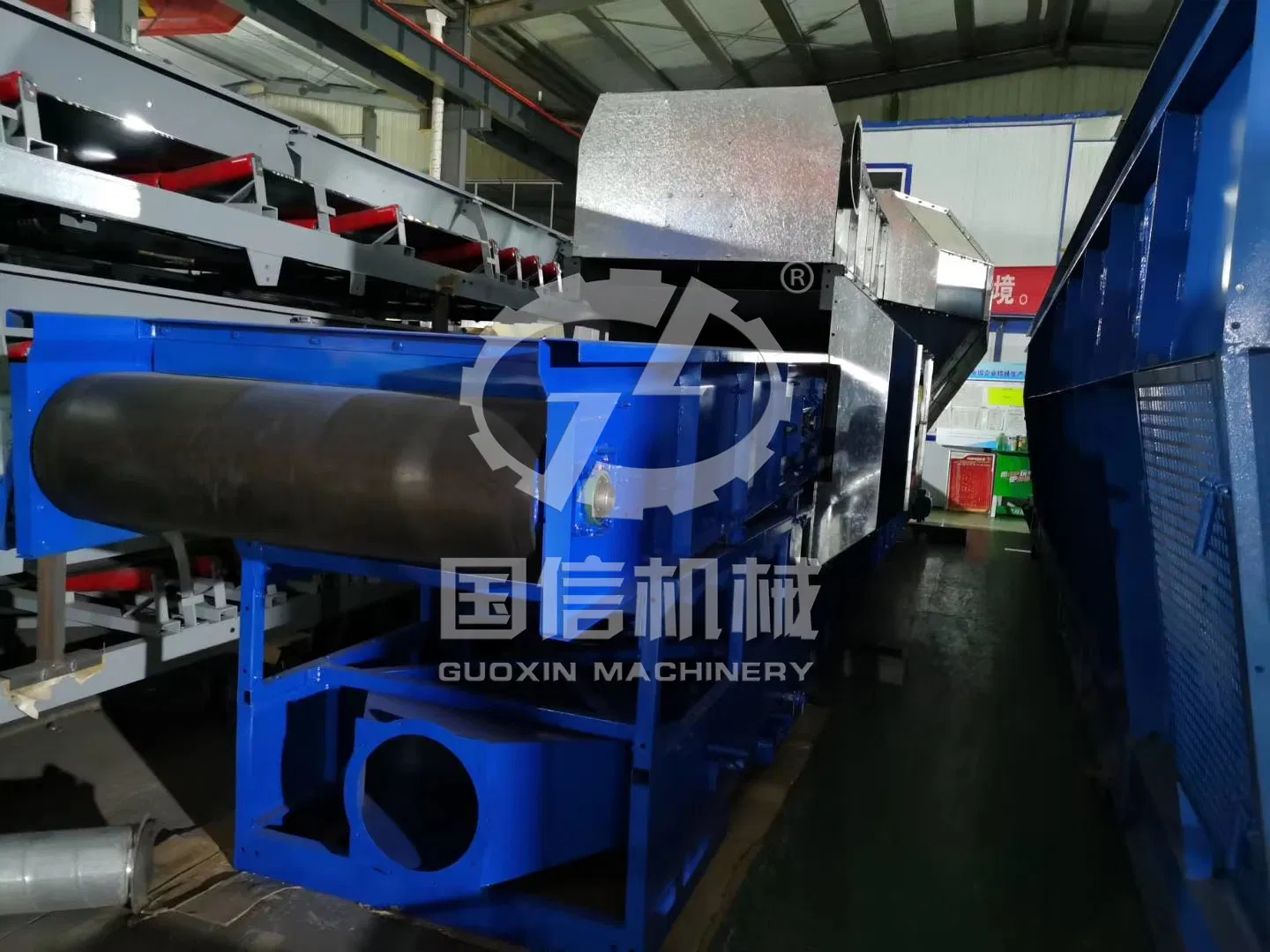
Chain feeder: Feeds materials uniformly for smooth operation; compatible with forklift loading.
Bag breaking system: Equipped with internal blades to break bags without shredding the contents.
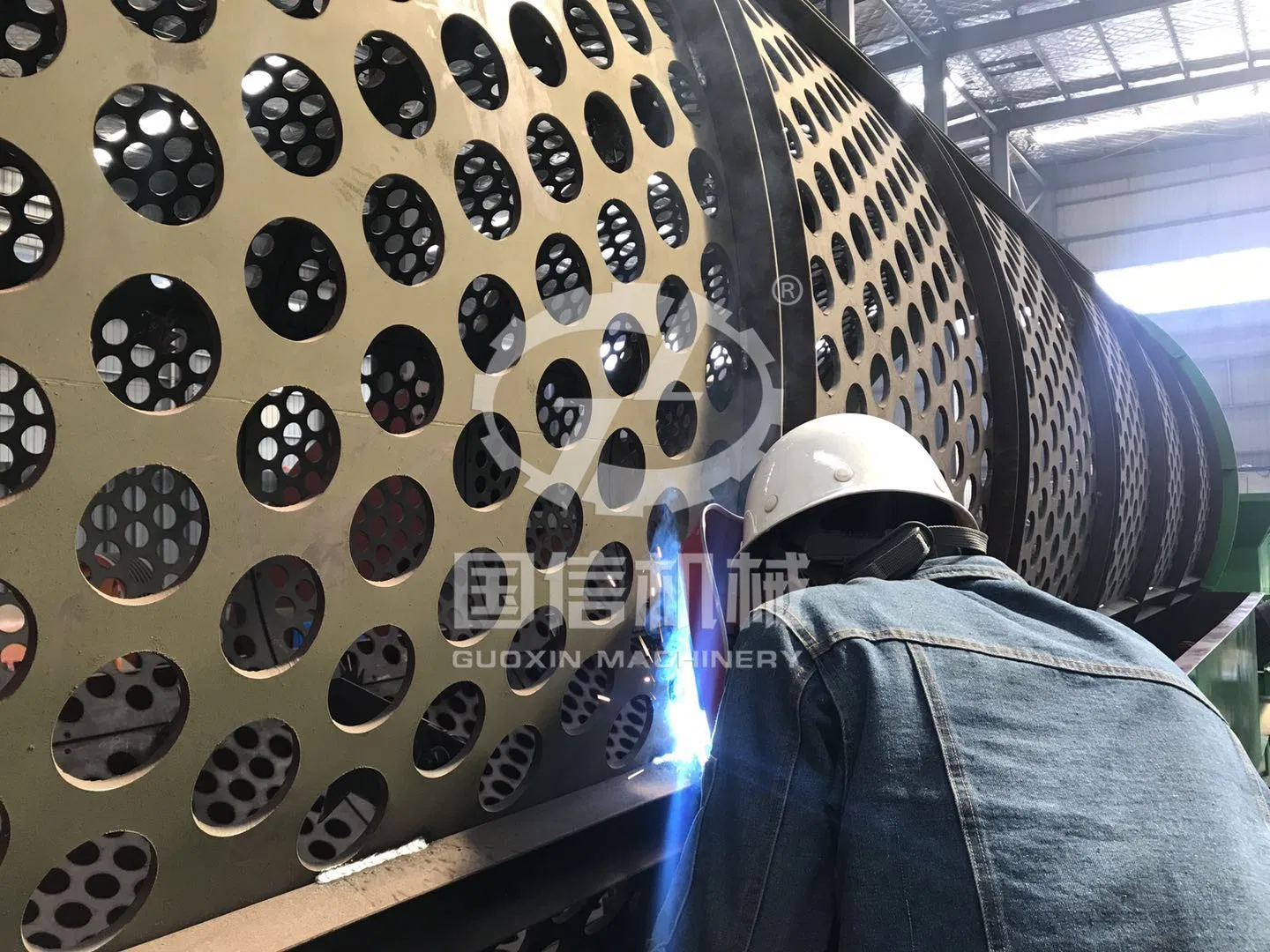
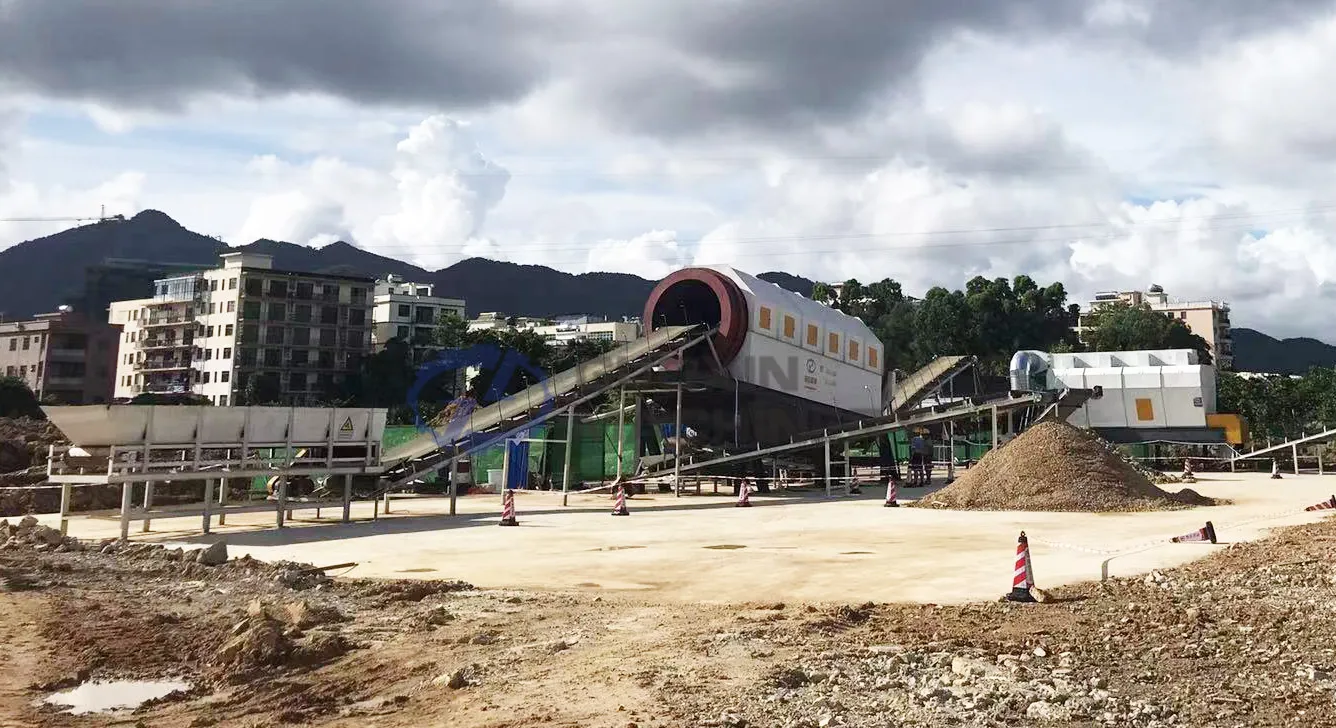
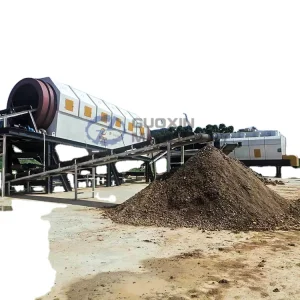
Trommel screen: Sifts materials by size; customizable screen apertures (3-7cm).
Iron separator: Extracts magnetic materials such as iron.
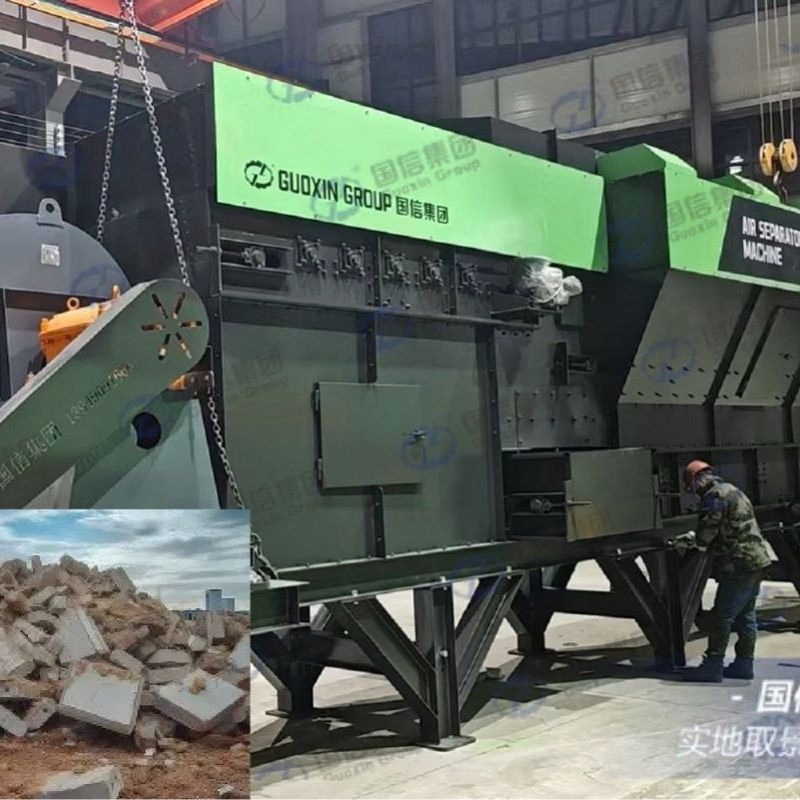
Air sorting machine: Uses positive and negative pressure with a sorting rate of up to 95%.
Manual sorting table: Facilitates manual recovery or robotic arm integration.
Baling machine: Compresses combustible materials into blocks for further processing.
🔄 Sorting Process
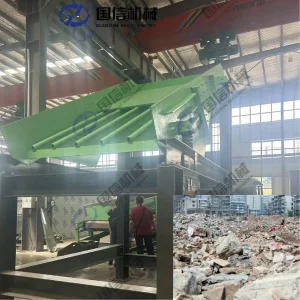
Raw waste is transferred to a feeder, then to a 50mm-aperture drum screener. This splits waste into undersize (<50mm, organic) and oversize (>50mm, plastics, stones) fractions. Both undergo magnetic separation. Oversize residues are fed to an air separator to divide heavy materials (stones, bricks) from light materials (plastics, paper).
♻️ Waste Variety and Purpose
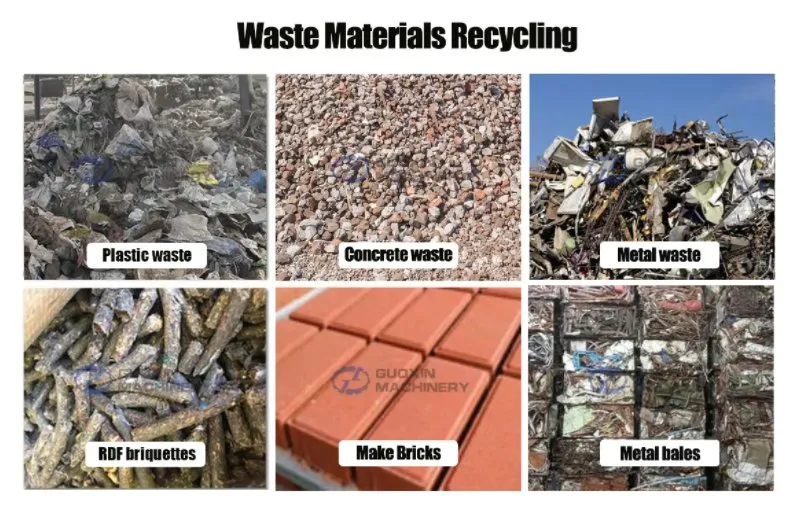
Organic matter: Processed into organic fertilizer.
Plastics, paper, textiles: Compressed into RDF fuel or reused.
Metal: Recycled via magnetic separators (caps, cans, steel).
Bricks, concrete, glass: Crushed into building aggregates for road tiles and sidewalks.
Wood and Rubber: Sorted for secondary recycling steps.
Frequently Asked Questions
1. What types of waste can this sorting system process?
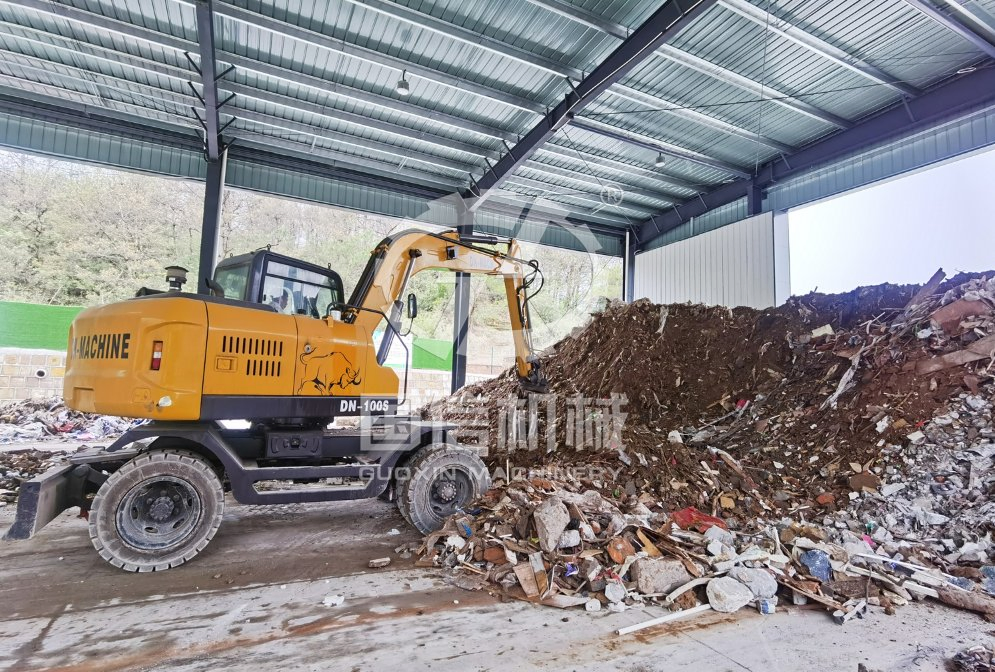
The system is designed to handle municipal solid waste (MSW), household waste, industrial waste, landfill waste, and construction/demolition waste.
2. What is the maximum daily capacity available?
Our standard models support capacities ranging from 100 tons to 500 tons per day, with customizable solutions reaching up to 1000 tons per day.
3. What are the primary outputs of the recycling process?
The process recovers organic matter for fertilizer, plastics and paper for RDF fuel, magnetic metals for recycling, and stones/concrete for construction aggregates.
4. How efficient is the air sorting machine?
The air sorting machine utilizes positive and negative pressure to achieve a sorting rate of up to 95% for light and heavy materials.
5. Can the equipment be customized for specific site sizes?
Yes, both the machine specifications (like trommel screen size) and the entire line layout can be customized to fit your available factory area and specific material composition.
6. Is the operation fully automatic?
The system is highly automated, featuring automatic feeding, screening, and magnetic separation, though manual sorting tables or robotic arms can be used for final quality control.
 Mintrix Excavator